The decision of whether SMS or clamp fittings are better depends directly on the height of the equipment, the required vertical rigidity and how often modules are taken apart. An SMS fitting offers maximum mechanical stiffness thanks to its massive nut, while the Tri‑Clamp system provides instant tool‑free assembly. In professional distillery and brewery installations both standards perform excellently, guaranteeing full leak‑tightness and hygienic operation.
What characterises stainless fittings in modular installations?
Properly selected stainless fittings eliminate the risk of system leaks and prevent unwanted material stresses during long‑hour heating. Modular equipment requires reliable components resistant to the aggressive environment of alcohol vapour and organic acids.
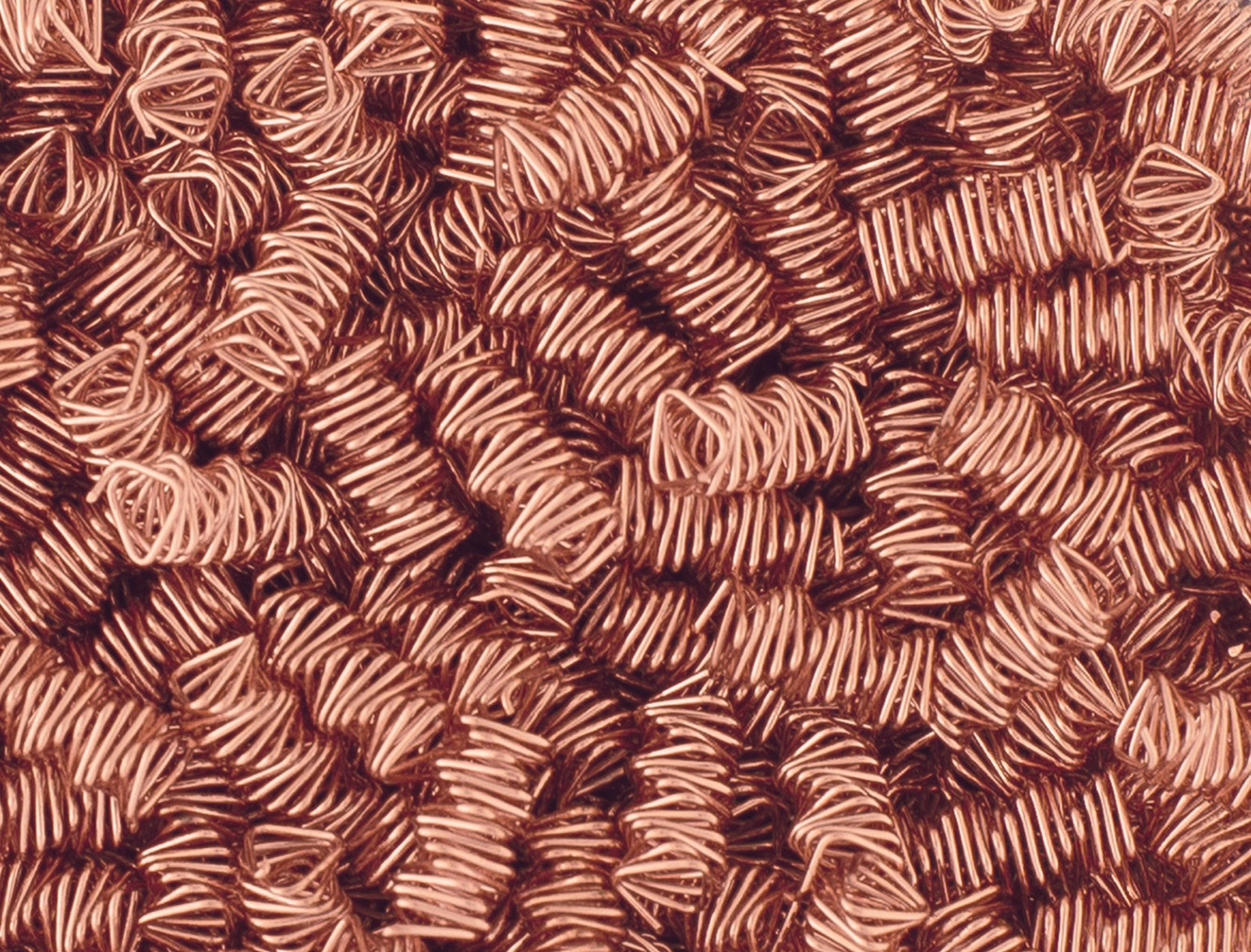
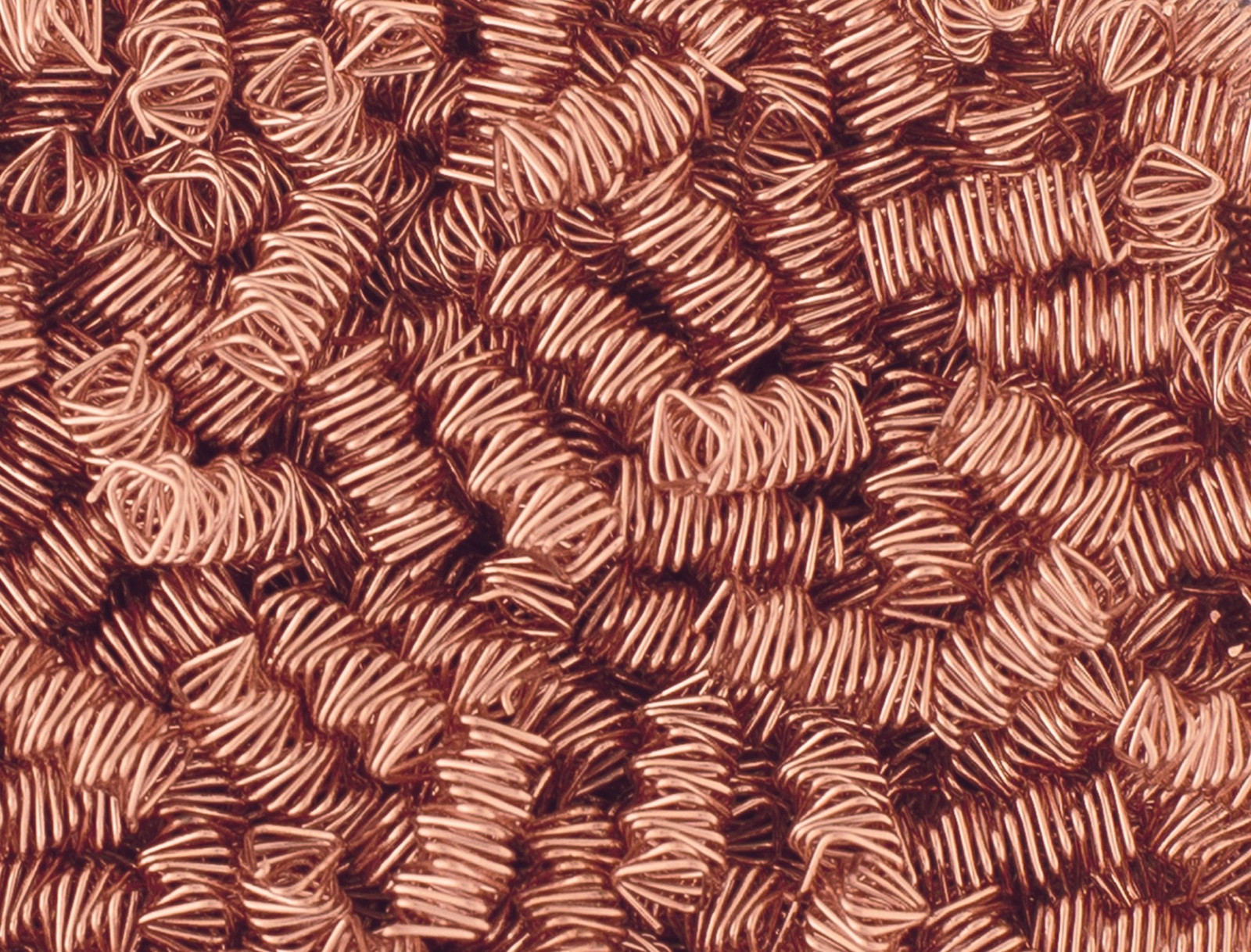
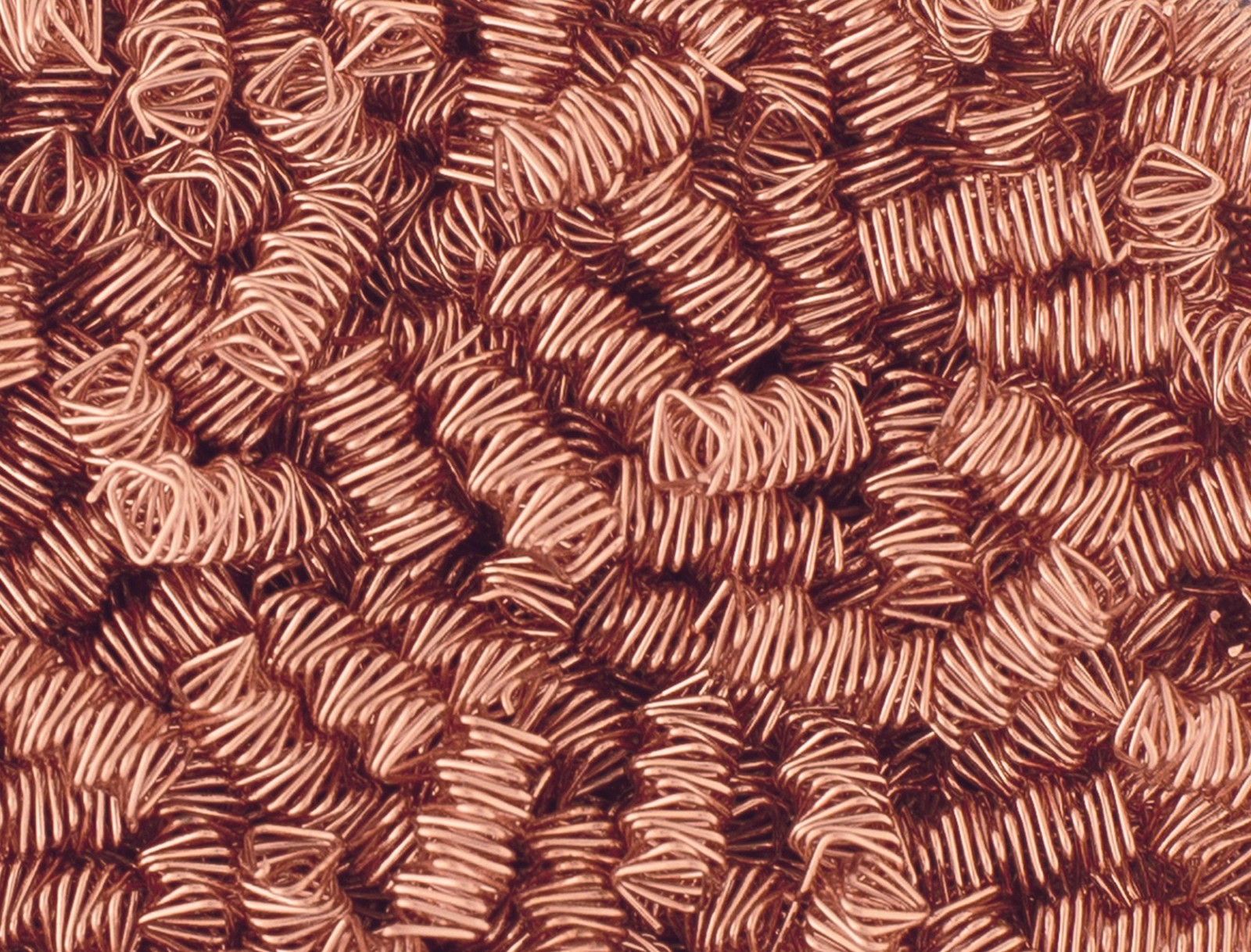
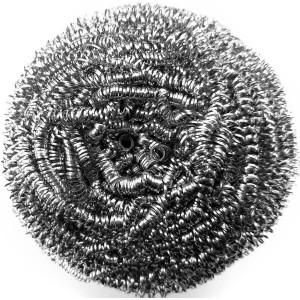
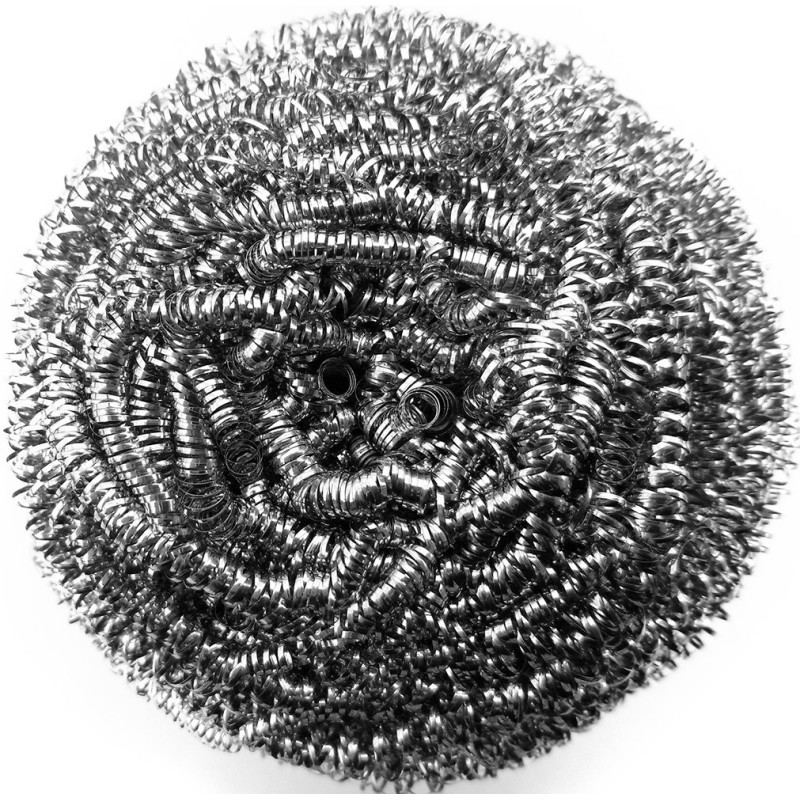 Stainless scrubber 304 60g ACID‑RESISTANT filler support – 6,99 zł
Hygienic standards in processing demand smooth internal surfaces without crevices that could trap contaminants. In constructions such as a professional stainless distiller, correctly matched elements ensure process safety and overall column stability.
How does an SMS fitting work and what does it consist of?
An SMS (Swedish Milk Standard) fitting consists of four precise components: a threaded short nipple, a conical short nipple, a profile gasket and a flange nut. When tightened, these parts create an extremely compact joint, highly resistant to vibration and side loads.
To achieve proper torque on an SMS fitting a dedicated SMS hook wrench is used, guaranteeing even gasket compression around the entire circumference. Thanks to the external thread and solid flange, the joint shows the highest resistance to twisting, which is crucial for tall modules.
How does the Tri‑Clamp system work in stainless steel installations?
The Tri‑Clamp (TC) system relies on symmetrical ferrules with a groove, a gasket and an external clamping band tightened with a butterfly screw. The flanges of the joined pipes have conical outer edges onto which the profiled clamp is precisely slipped.
The advantage of the Clamp system is its complete symmetry of the joined parts, completely eliminating assembly errors. Tightening the clamp compresses the gasket axially, allowing tool‑free column assembly in just a few seconds per joint.
SMS vs Tri‑Clamp – what are the key technical differences?
The main SMS vs Tri‑Clamp differences boil down to the way sealing pressure is applied, bending stiffness and disassembly ergonomics. The table below directly compares the key user‑facing features of both systems:
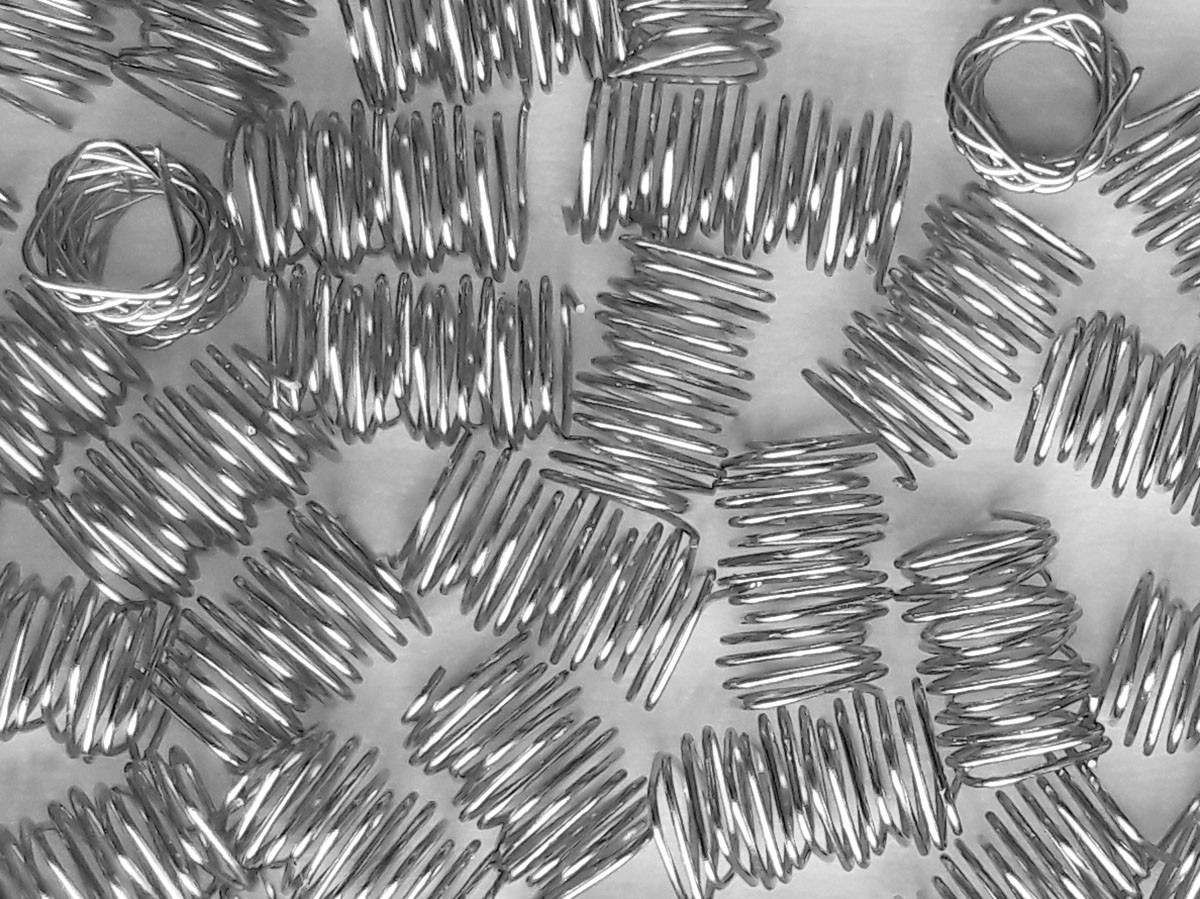
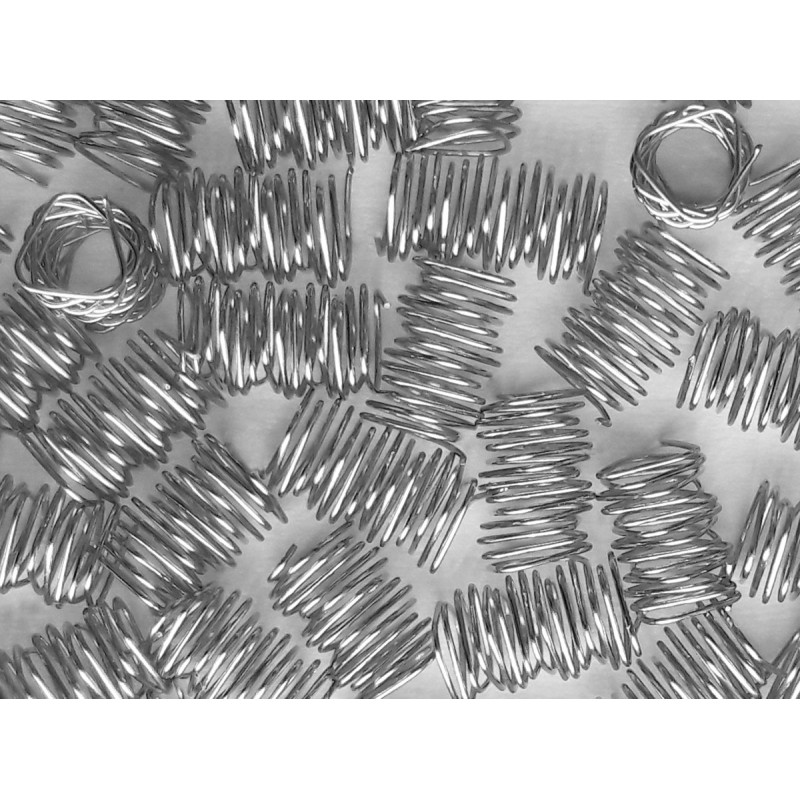 STAINLESS PRISMATIC SPRINGS column filler ACID‑RESISTANT 1L – 49,99 zł
| Feature / Parameter | SMS Fitting | Tri‑Clamp (TC) Fitting |
|---|---|---|
| Mounting tools | Requires hook wrench | Tool‑free (butterfly screw) |
| Joint stiffness | Very high (side load resistance) | Moderate (needs support) |
| Element symmetry | Asymmetric (thread + cone) | Full symmetry (identical ferrules) |
| Disassembly time | Medium (unscrewing the nut) | Very fast (release clamp) |
| Susceptibility to damage | Thread requires care | Durable band and massive flanges |
Which connection shows greater resistance to mechanical loads?
The massive SMS nut effectively locks axial deviation, demonstrating noticeably higher stiffness under load than the clamping band. While a Clamp fitting may exhibit micro‑movement under strong bending, SMS provides firm and stable support when joining a head or heavy tank.
Which system offers faster and more convenient handling?
The Tri‑Clamp system guarantees the fastest disassembly time and eliminates the need for any service tools. Loosening the butterfly screw allows instant removal of the segment, facilitating periodic cleaning and inspection of components such as stainless prismatic springs 1L.
How to plan a proper column installation using stainless fittings?
A correct column installation starts with planning a solid base with the highest mechanical load capacity. One must consider the total weight of modules such as the buffer, copper catalyst or the top distillation head.
The optimal solution is a mixed layout: at the tank outlet install a stable SMS fitting 51 mm or 63.5 mm, while on the higher levels use handy Tri‑Clamp fittings. This configuration combines maximum vertical rigidity with the convenience of quick equipment removal.
Which sealing material to choose – EPDM, silicone or PTFE?
For work with hot alcohol vapour, the best options are food‑grade silicone gaskets and PTFE Teflon, which boast very high chemical inertness. The right elastomer directly determines the tightness and safety of the whole system.
EPDM variants show high mechanical resistance to compression, but in demanding conditions profiled silicone gaskets guarantee long‑term flexibility without the risk of hardening.
Summary – key take‑aways
- SMS fittings provide maximum stiffness: they stabilise tall and heavily loaded equipment sections.
- Tri‑Clamp offers unrivalled speed: assembly and disassembly are performed by hand without a wrench.
- Sealing material matters: food‑grade silicone and PTFE ensure thermal and chemical neutrality.
- A hybrid layout combines both benefits: lower SMS connections and upper Tri‑Clamp ensure stability and ergonomics.
Frequently Asked Questions (FAQ)
Can an SMS fitting be tightened without the dedicated hook wrench?
Using improvised tools on an SMS fitting risks permanent damage to the grooves on the flange nut. For safe and reliable assembly only a dedicated SMS hook wrench should be used.
Produkty z artykułu
Reference: STAL-1
Brand: Hurtownia, Sklep Padew.pl
FILLING PRISMATIC SPRINGS 1.0L STAINLESS STEEL
Reference: rura-33.7
Brand: Hurtownia, Sklep Padew.pl