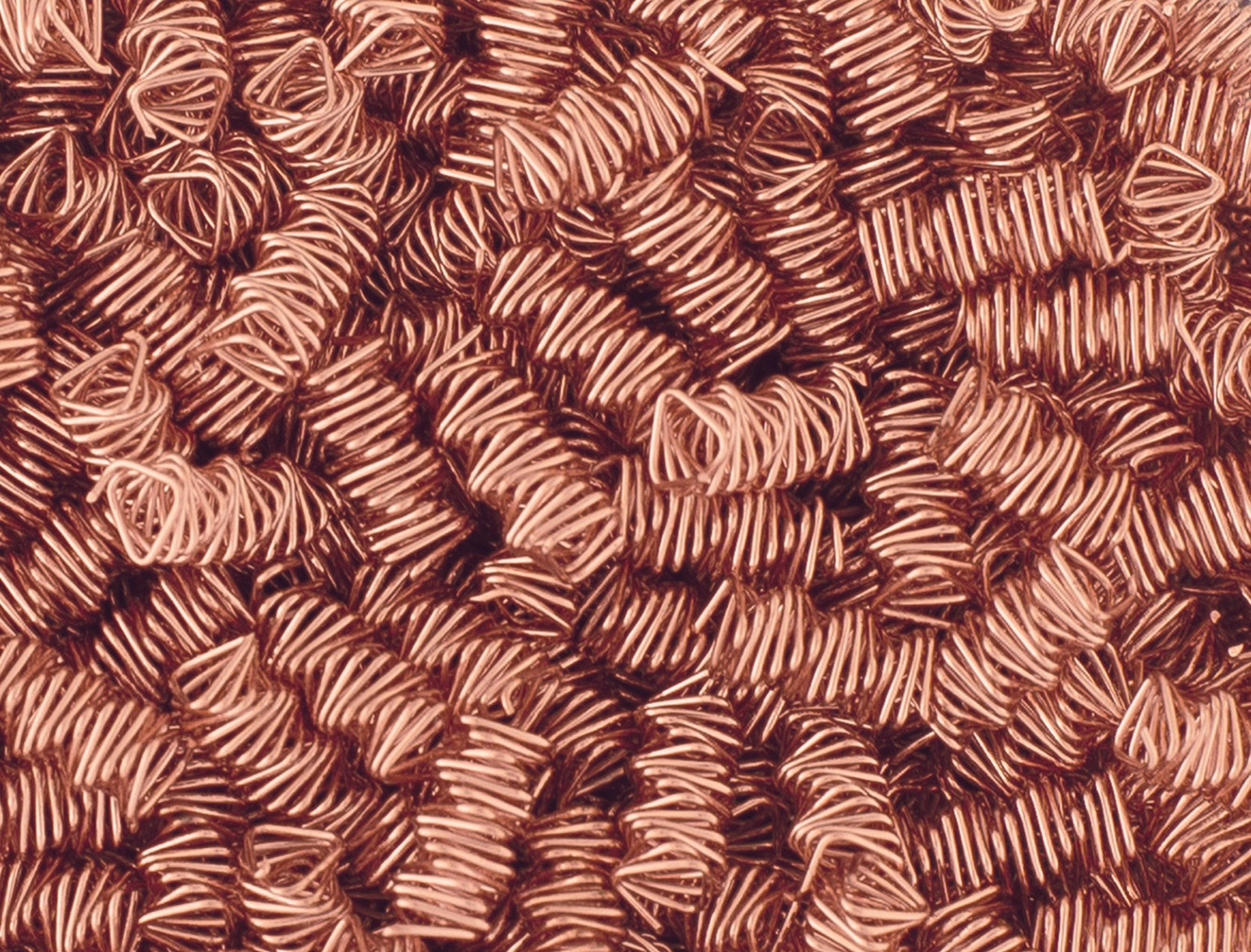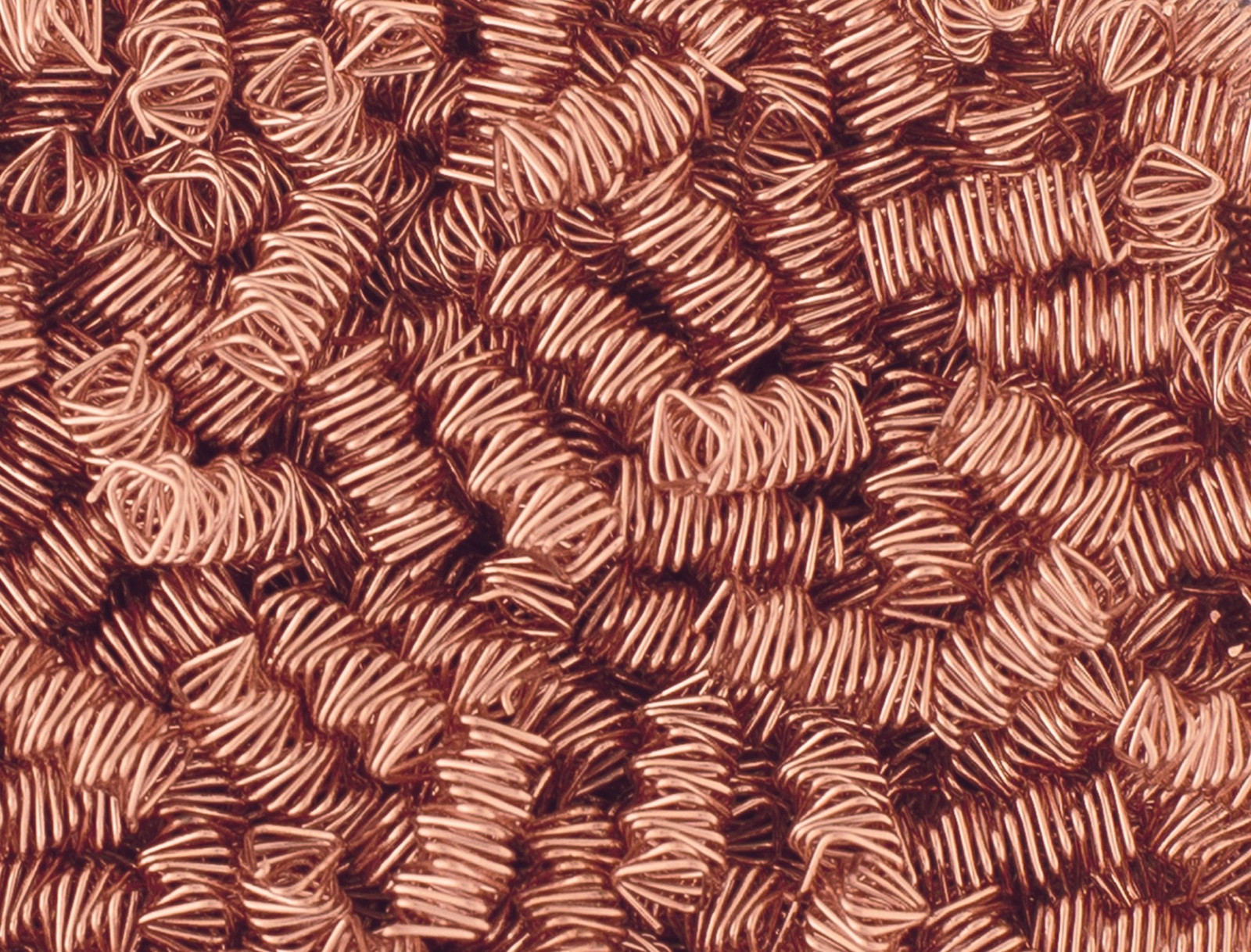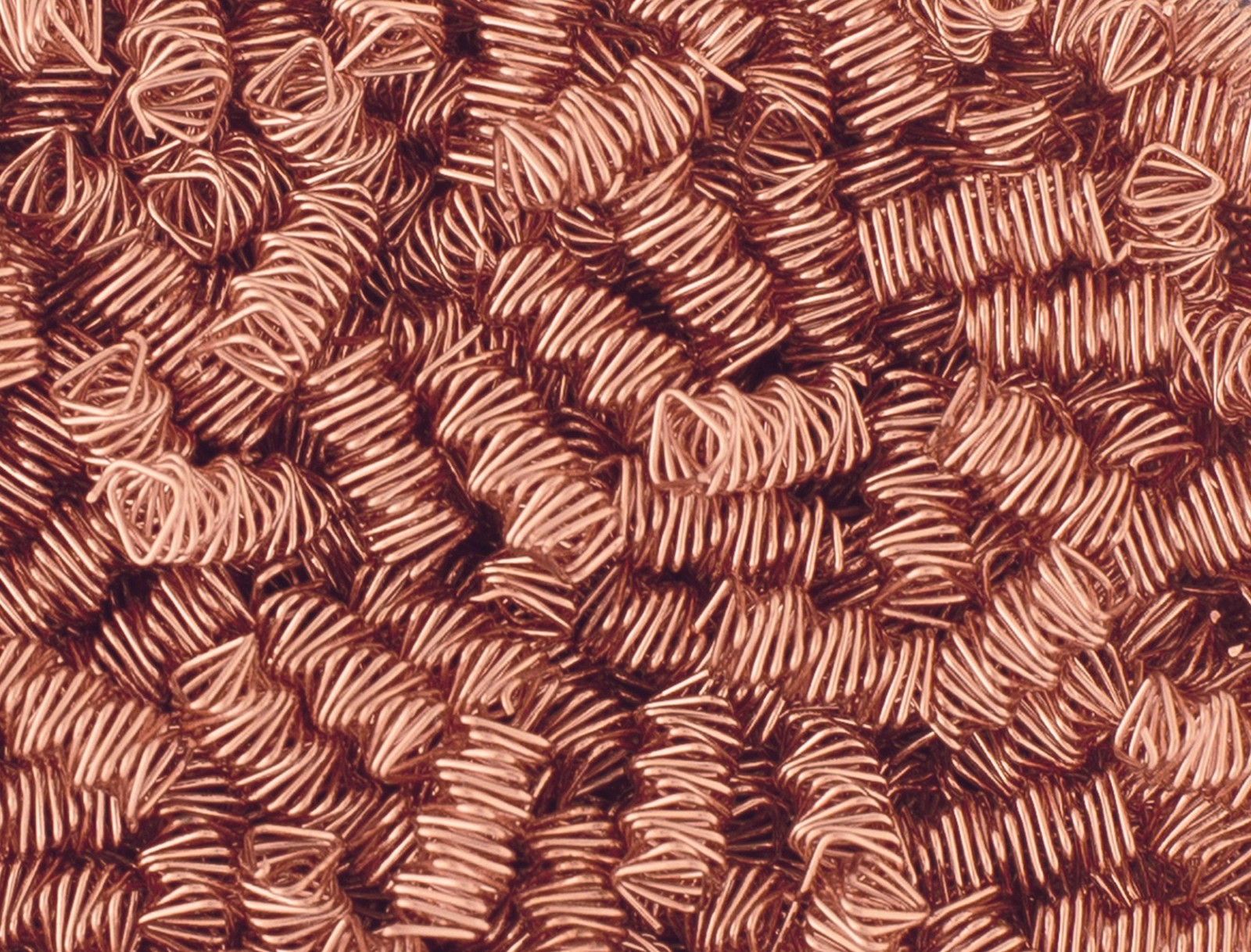
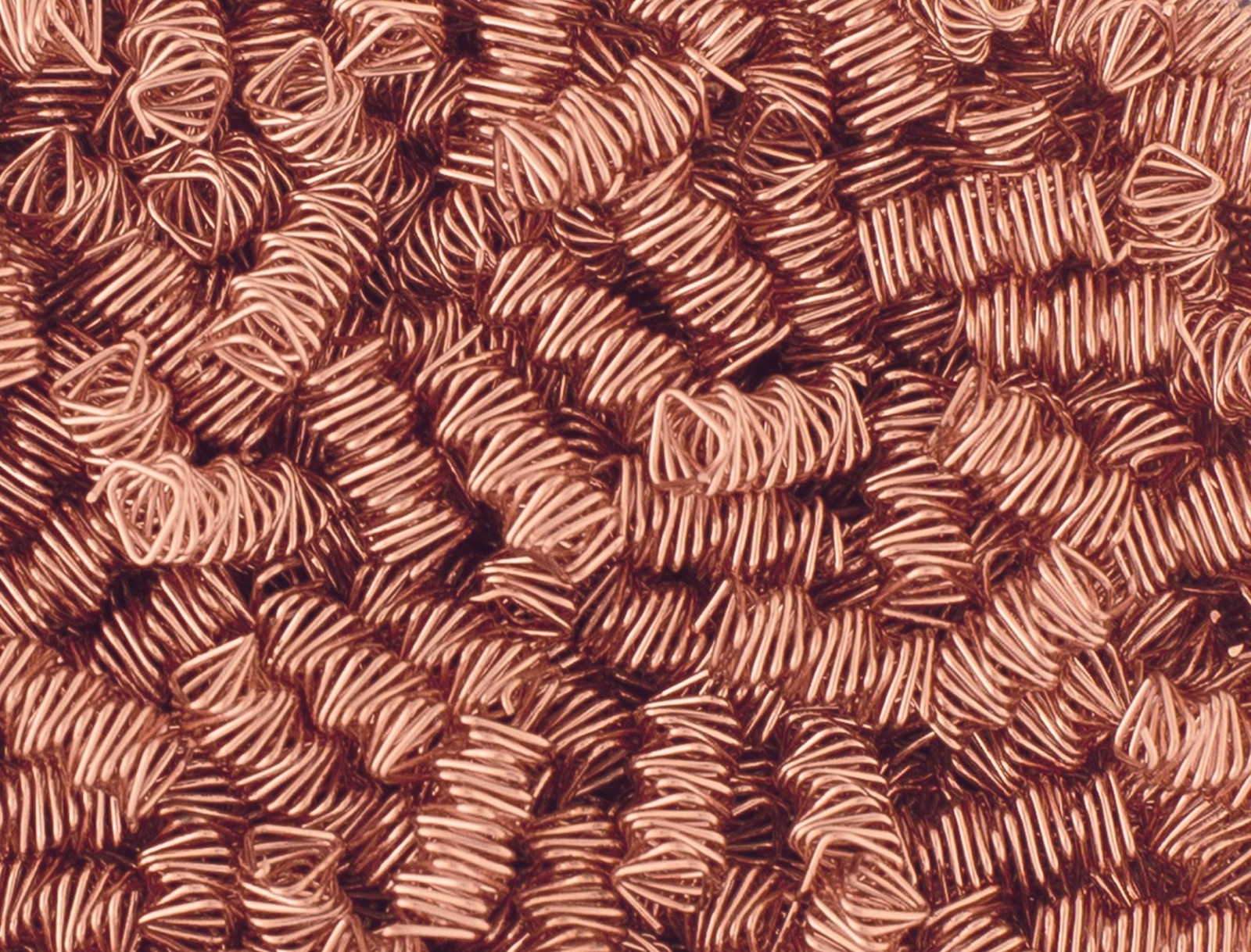
Choosing prismatic springs depends on the capacity of your column, the type of distillate, and your requirements regarding separation efficiency. Below you will find a practical guide that will explain step-by-step how to select the optimal packing.
How to determine the distillation column capacity?
The foundation is knowing the column volume expressed in liters. Most columns available in the Padew offer have capacities of 0.25 l, 0.5 l, and 1 l.
- 0.25 l – small columns, ideal for home experiments.
- 0.5 l – standard for small stills.
- 1 l – designed for larger batches.
What types of prismatic spring materials are available?
In the Padew offer, you will find copper springs and stainless steel springs. The choice depends on the type of distillate and potential acidity.
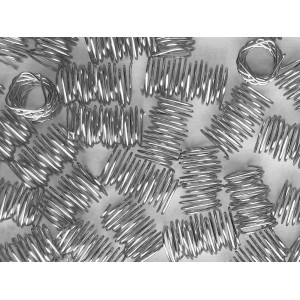
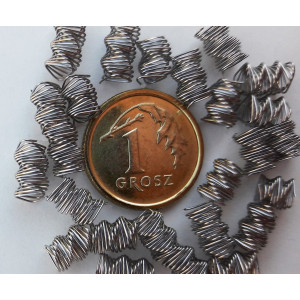
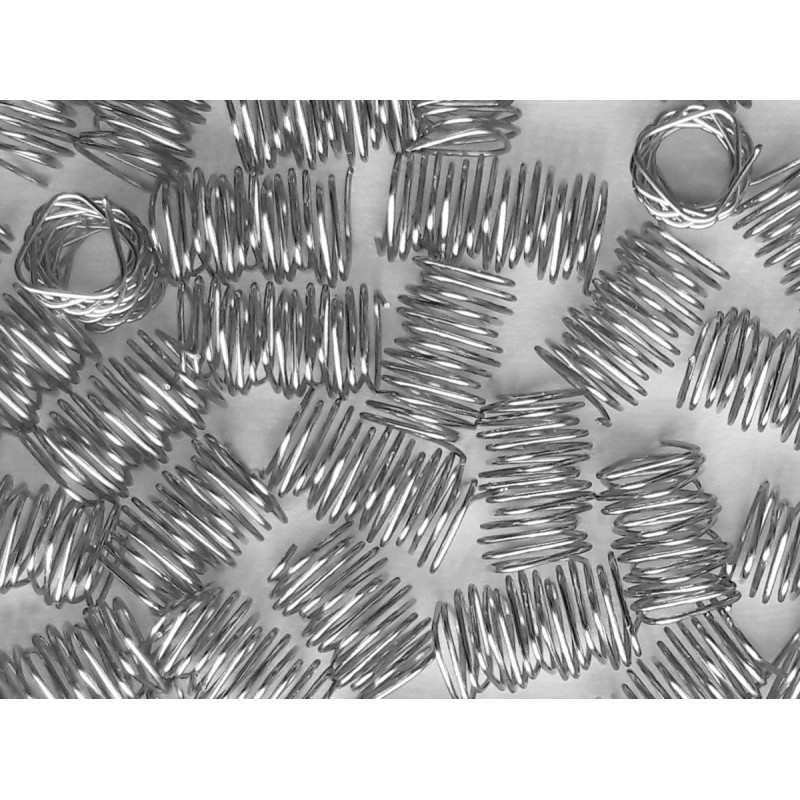 STAINLESS STEEL PRISMATIC SPRINGS 0.5l column packing ACID-RESISTANT for still – 26.59 PLN
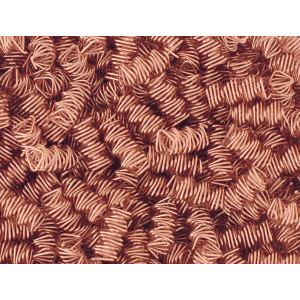
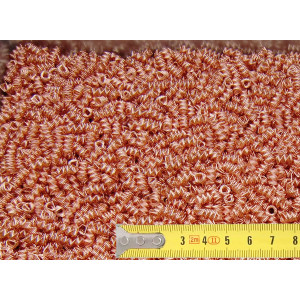
Copper springs
Copper provides good thermal conductivity, which promotes rapid temperature equalization in the column. They are recommended for distilling spirits with low acidity.
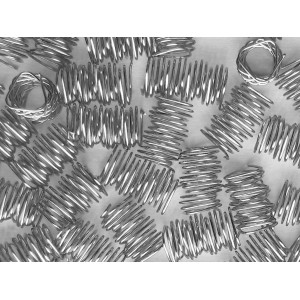
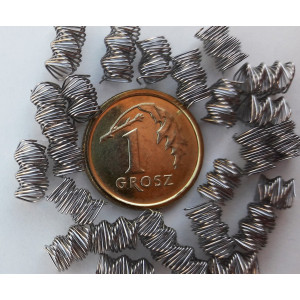
Acid-resistant stainless steel springs
Stainless steel, especially the acid-resistant version, is resistant to aggressive ingredients, e.g., spirits with added acids. It offers longer service life under intensive use.
How to choose the diameter and length of the spring?
Geometric parameters affect the number of theoretical plates and flow resistance.
| Column capacity | Spring diameter | Length (cm) |
|---|---|---|
| 0.25 l | 6 mm | 30 |
| 0.5 l | 8 mm | 45 |
| 1 l | 10 mm | 60 |
The diameter and length values can be matched to a specific column model, e.g., Rectification column 50.8 mm on SMS connector – 120 cm.
How to choose the acid-resistant version?
If you are planning to distill products containing acids (e.g., fruit spirits), choose acid-resistant springs. Padew offers 0.25 l, 0.5 l, and 1 l models.
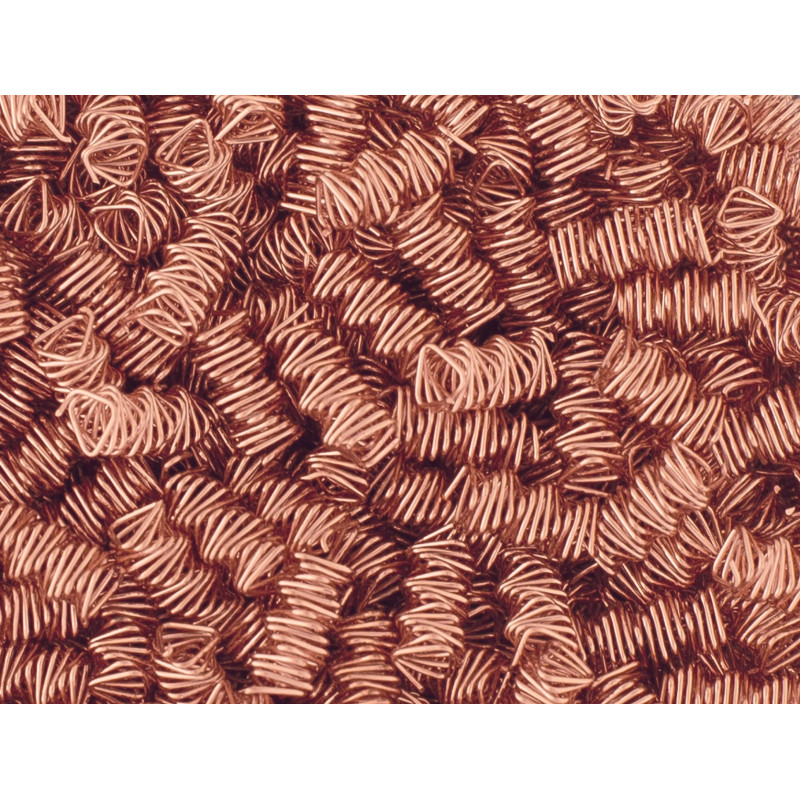 Prismatic springs COPPER packing 0.25l for still – 31.99 PLN
Sample products
- Copper prismatic springs 0.25 l
- Acid-resistant stainless steel springs 0.5 l
- Acid-resistant stainless steel springs 1 l
How to install the spring in the column?
Installation requires a few simple steps:
- Make sure the column is clean and dry.
- Insert the springs into the column, ensuring even distribution.
- Secure the ends using stainless steel hose nipples and stainless steel Clamp SMS connectors.
- Check for leaks, start the still, and monitor the temperature.
What additional accessories support column operation?
It is worth considering a carbon filter or additional cooling coils to increase the purity of the distillate.
Summary
Key conclusions when choosing prismatic springs:
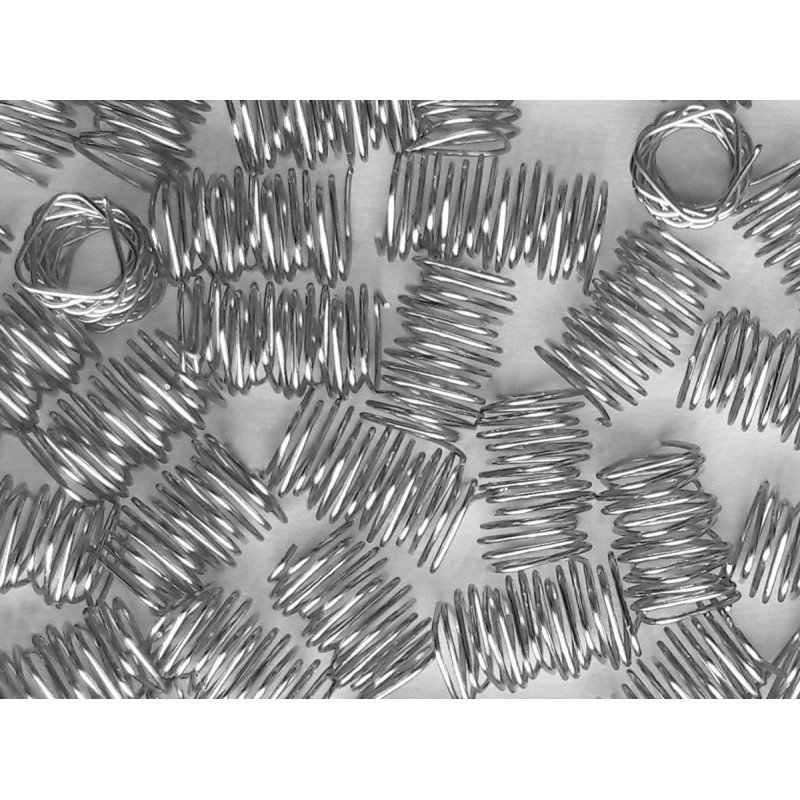 STAINLESS STEEL PRISMATIC SPRINGS 1L column packing ACID-RESISTANT – 49.99 PLN
- Determine column capacity – 0.25 l, 0.5 l, or 1 l.
- Choose the material – copper for standard distillates, acid-resistant stainless steel for aggressive ingredients.
- Match diameter and length according to the parameter table.
- Install correctly and check for leaks before starting.
- Consider additional accessories like a carbon filter or cooling coils to improve distillate quality.
Frequently Asked Questions
What capacity of springs should I choose for a 0.5 l column?
For a 0.5 l column, we recommend prismatic springs with a diameter of 8 mm and a length of 45 cm, e.g., the 0.5 l acid-resistant model.
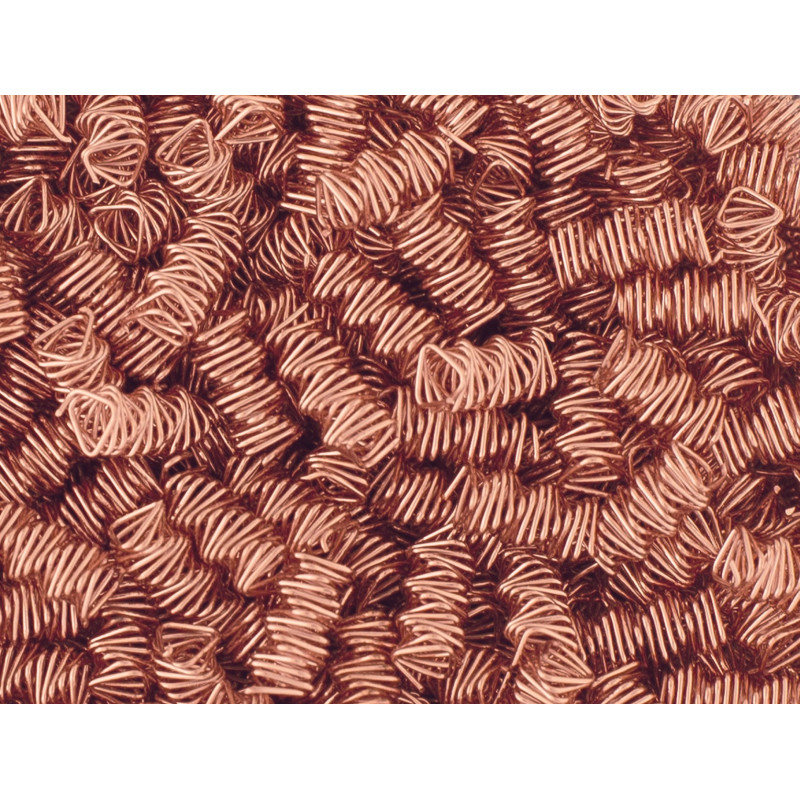 Prismatic springs COPPER packing 0.5l for still high HPT! – 59.99 PLN
Are copper springs suitable for vodka distillation?
Yes, copper springs work well for distilling spirits with low acidity, providing good thermal conductivity.
What are the advantages of acid-resistant springs?
Stainless steel acid-resistant springs are resistant to acids, which extends their service life when distilling fruit and flavored liquors.
Do I have to use carbon filters together with the springs?
A carbon filter is not mandatory, but it helps remove unwanted odors and increase the purity of the distillate, especially when distilling raw materials with an intense aroma.
How do I check for leaks after installing the springs?
After installing the springs, start the still at a low temperature and observe if any leaks appear at the connections with the nipples and fittings.
Produkty z artykułu
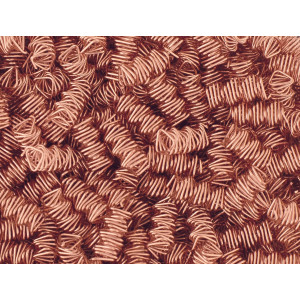
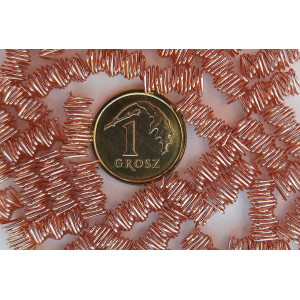
Reference: miedz-0.25
Brand: Hurtownia, Sklep Padew.pl
PRISMATIC SPRINGS 0.25 L COPPER FILLING
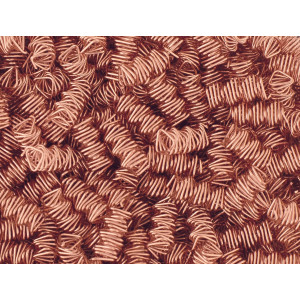
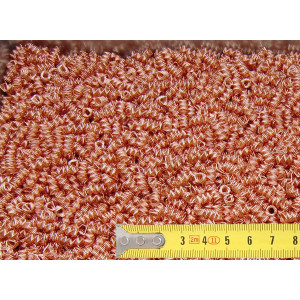
Reference: miedz-0.5
Brand: Hurtownia, Sklep Padew.pl
PRISMATIC SPRINGS 0.5L COPPER FILLING
Reference: STAL-0.5
Brand: Hurtownia, Sklep Padew.pl
FILLING PRISMATIC SPRINGS 0.5L STAINLESS STEEL
Reference: STAL-1
Brand: Hurtownia, Sklep Padew.pl
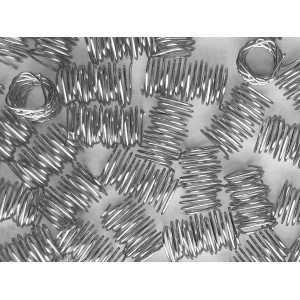
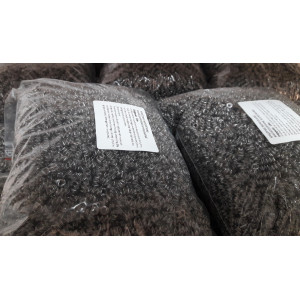
FILLING PRISMATIC SPRINGS 1.0L STAINLESS STEEL
Reference: miedz-1L
Brand: Hurtownia, Sklep Padew.pl
PRISMATIC SPRINGS 1L COPPER FILLING
Reference: STAL-0.25
Brand: Hurtownia, Sklep Padew.pl